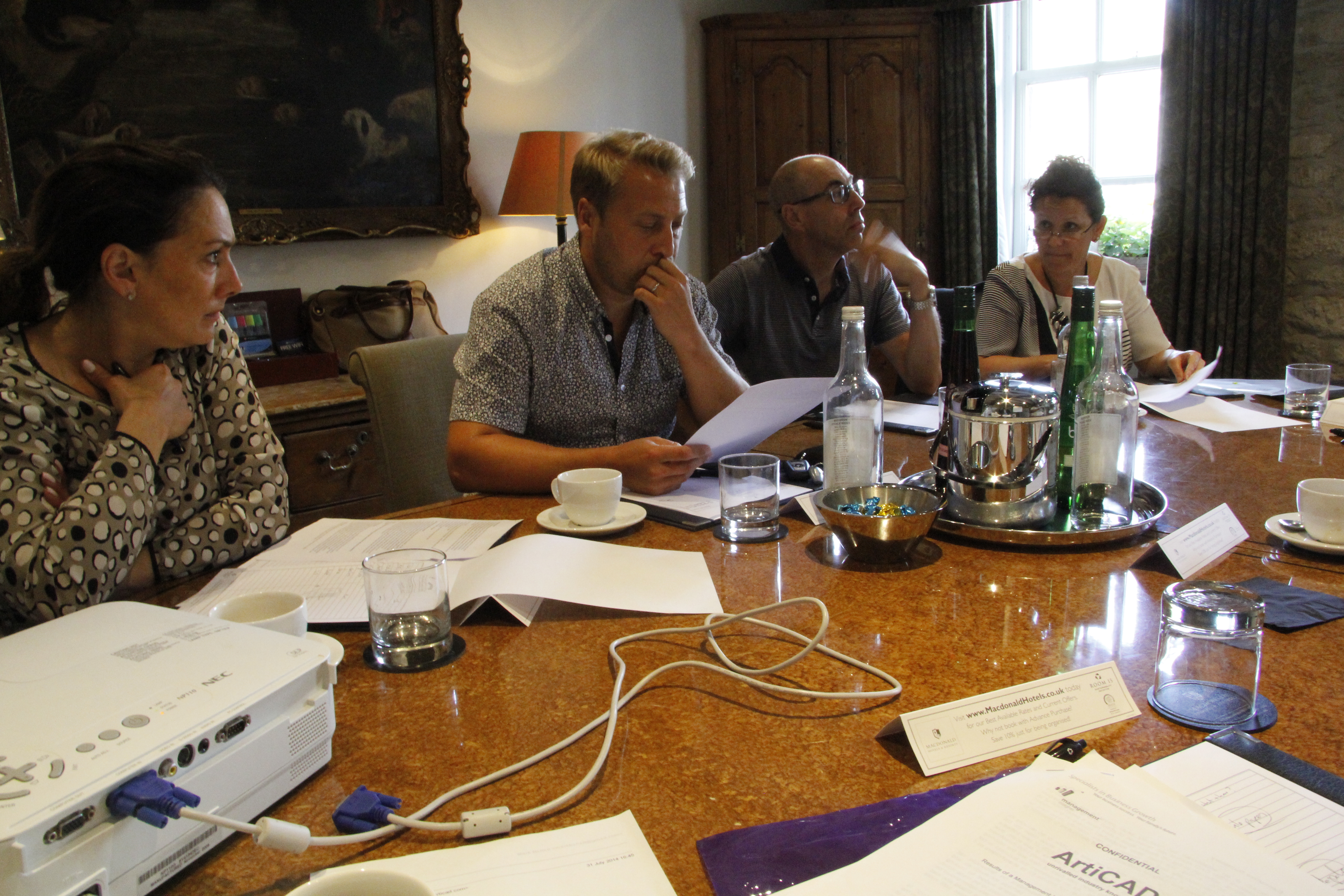
Investing time in team identity and alignment has a very high return in any business.
I’m in the business review business: I can variously be said to lead, run, facilitate, orchestrate, curate, and simply manage business reviews, with management teams from businesses of all shapes and sizes, and at almost every stage of both development and health. Whilst I carry out what I call Structured Business Reviews, over several weeks, I particularly enjoy leading Business Review Awaydays as I constantly surprise myself with just what can be achieved in a day away for the office, or the factory. I have been pondering just why they work so well and today’s blog sets out my considered opinion on the matter.
First and foremost, by going away for a day, ideally out of network contact with the rest of the world, you create space to reflect and to do what everyone recommends, but so few achieve, and spend some time “working on the business” rather than just “in the business”. It seems a bit corny to even write these words but it is true, as not enough thought/quality time/effort, or any other form of investment for that matter, is put into some of the bigger picture issues within any business. Often that is because people don’t have much experience of doing it and so it doesn’t seem quite as productive as other, more routine, activities.
But just going away for a day isn’t enough; you also need to genuinely involve everyone in the process if you want their buy-in and contribution both, on the day, and with the output. By reviewing your business together you are also recognising the importance of the team, as an organisational unit, and signalling this fact to both its members and the rest of the business.
Sometimes it takes an exceptional event, like an awayday, for people to begin to think and act as if they are a member of a team, with a degree of collective responsibility and input to decisions, because normally they are so busy with the “day job” that they neither volunteer, nor get asked. This is of course a mistake, and it is a very common mistake; whilst leadership should not be underestimated, you can sometimes have a little too much centralisation of decision making. This comes at the expense of enrolment, or even something as simple as listening to colleagues’, often well founded, views on the business and what should, or should not, happen next. The real cost is that you inadvertently send out negative ego messages to those team members who feel their views aren’t taken seriously and that isn’t going to help their motivation much.
Of course, you need to create the right environment to achieve much and it seems that having the right leader/facilitator makes all the difference. I know that to be true because what follows comes directly from my past clients’ lips, but also because I have now done it for so long. You need someone experienced, direct, and confident enough to provide honest feedback on strategy and performance, but also to be able to help differentiate between a good idea for the business and a bad one. You also need someone who is sufficiently open and transparent to be trusted by all, to be objective, and to have the best interests of the business at heart rather than any particular staff/managers/owners/directors/investors interest group. Someone demonstrably focussed on getting the team working as well as it can, together, and making decisions that are likely to make them all more successful and, ultimately, happy.
Whilst this may all sound a little idealistic it has really surprised me how much you can achieve if you do a little pre-planning, particularly to ensure that everyone has a voice (even if it is just for one day) and how that then affects what happens next in the business.
Mark